Septic Tank Pumping
Expert Service Since 1969
Pumping Done Right — Every Time
200-foot hose trucks. State-certified technicians. The 2-year schedule that protects your system.
410-272-2317Efficient Septic Tank Pumping for a Clean and Healthy System
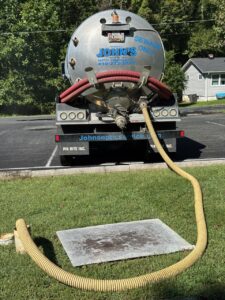
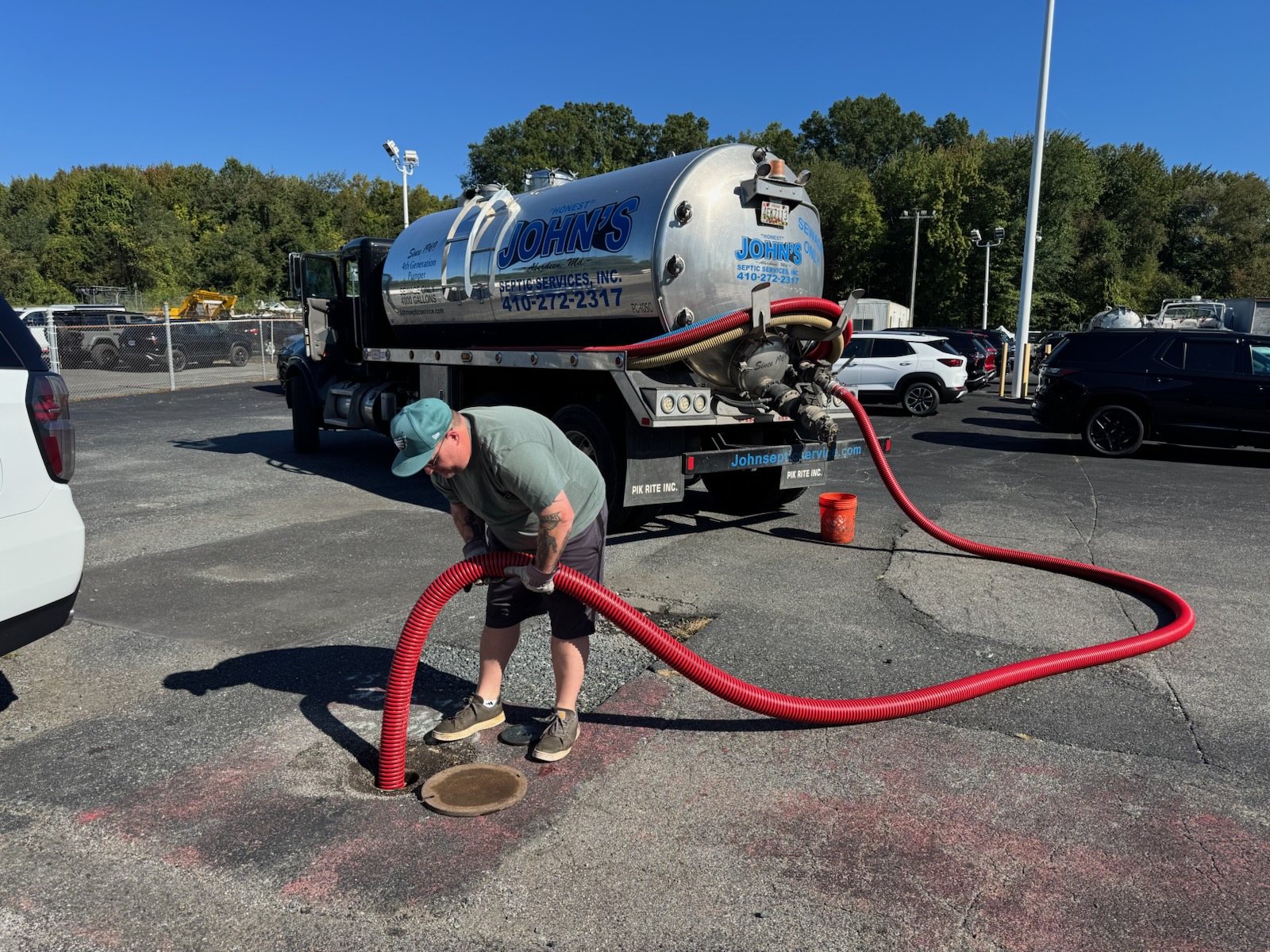
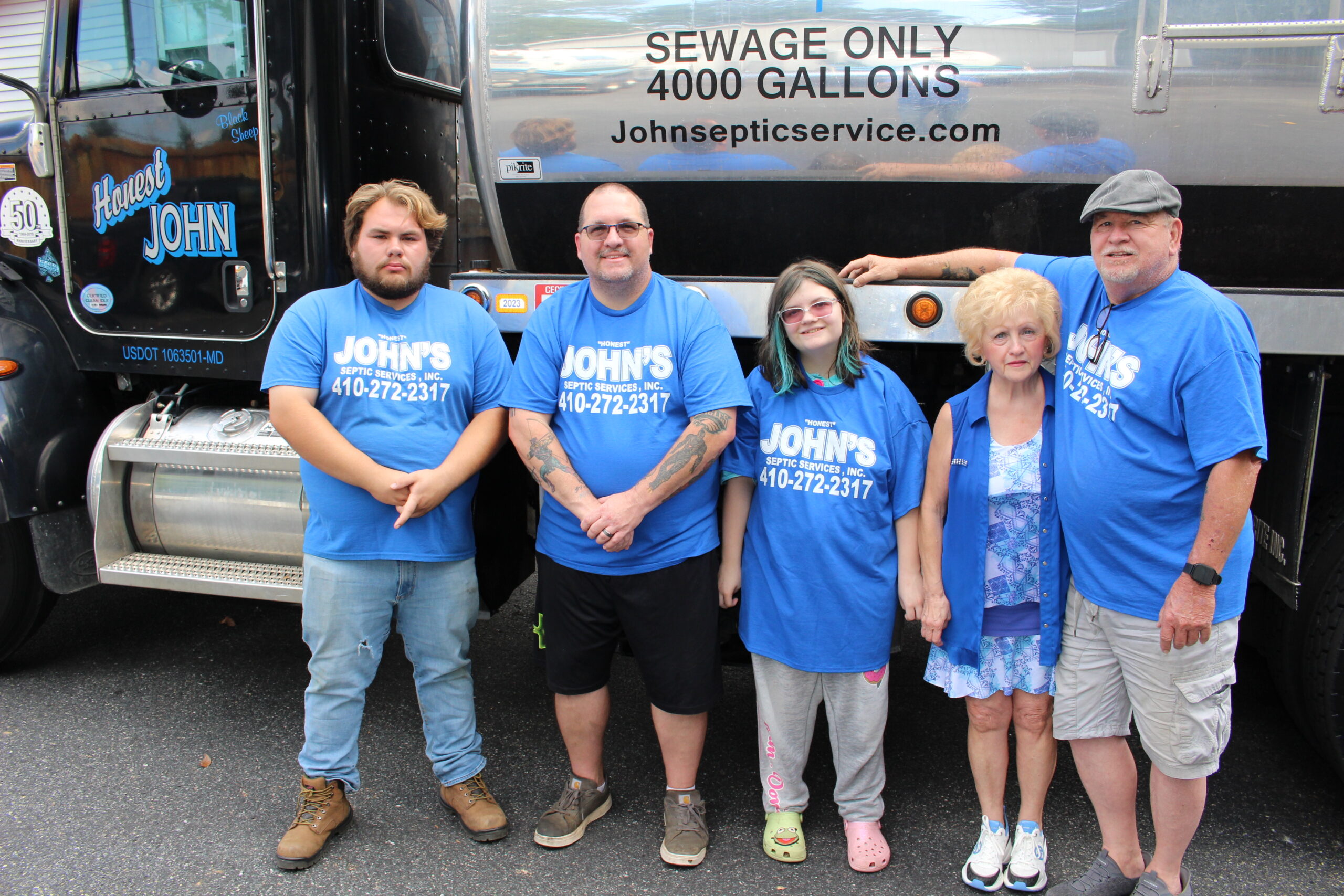
John's Septic Service has been performing septic tank pumping since 1969. We know our stuff. We utilize modern, sanitary equipment and we take every precaution to protect your property. Each large capacity pump truck is equipped with 200 feet of hose, allowing us to park away from the drainfield and away from your home during the septic tank pumping process.
John's Septic Service recommends a 2 year septic tank pumping schedule to help maintain your septic system and avoid system failure.
OUR PROCESS
How We Pump Your Septic Tank
Unwind & Connect
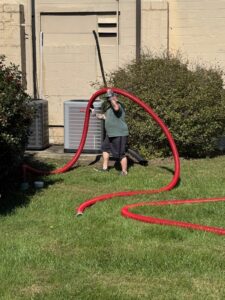
Our trained technicians unwind the flexible hose from the pump truck and connect sections to reach up to 200 feet as needed.
Pump the Tank
One hose end connects to the vacuum truck, the other goes into the septic tank. We pump the tank completely empty.
Backflush & Re-pump
We reverse the truck pump (backflushing) to loosen anything stuck in the tank, then pump empty a second time.
Flush Test & Haul
We ask you to flush your toilet and verify good steady flow from the house to the tank, then haul the contents safely to the disposal plant.
SYSTEM EDUCATION
Understanding Your Septic System
A septic system is a self-contained wastewater treatment system that uses natural processes to treat and dispose of household waste. It's an essential component of many homes, especially in areas where a connection to a municipal sewer system is not available.
Septic systems typically consist of a septic tank and a drainfield. The septic tank is where wastewater from the house enters and is separated into three distinct layers: scum, effluent, and sludge. The scum layer consists of lighter materials like grease and oils, the effluent layer is mostly water, and the sludge layer comprises heavier solids that settle at the bottom.
Homeowners with septic systems must be aware of their responsibilities in maintaining these systems. This includes monitoring the system's performance, scheduling regular inspections and pumpings, and being mindful of what they dispose of through their plumbing to avoid clogging the system or harming the environment.
MAINTENANCE GUIDE
Septic System Maintenance: Key to Longevity
Regular maintenance of a septic system is vital to extend its lifespan, prevent costly repairs, and protect the environment from potential pollution. The Environmental Protection Agency (EPA) recommends that septic tanks be inspected every three years and pumped as necessary, usually every 3 to 5 years. This depends on factors such as tank size, household size, and water usage.
Proper maintenance also involves being cautious about what is flushed down the toilet or drains. Avoid disposing of items that can clog the system or disrupt the balance of bacteria and other organisms essential for wastewater treatment, such as sanitary products, chemicals, and excessive amounts of grease.
Homeowners should keep records of their septic system's maintenance, including pumping schedules, inspections, and any repairs. This ensures compliance with local regulations and provides a reference for future maintenance needs.
By prioritizing septic system maintenance, homeowners can prevent premature system failure, reduce the risk of environmental contamination, and protect their investment in their property.
WARNING SIGNS
Signs Your Septic System May Be Failing
Septic Odors
Septic odors either indoors or outdoors close to the system.
Flush or Backup Failure
Toilets fail to flush or back up — a worst case scenario is raw sewage backs up into your basement.
Gurgling Pipes
Gurgling signs in pipes and drains.
Standing Water or Green Grass
Standing water or bright green, spongy grass in the area of the drainfield, even in dry weather.
At each septic pumping appointment, we will perform a visual inspection to check for any issues, and make recommendations for repairs, if needed.
BE PREPARED
Pre-Pumping Preparation
Clear Access Points
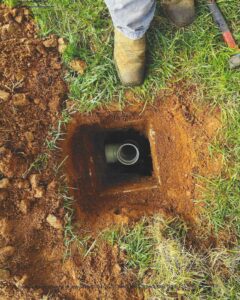
Clear vegetation and soil from the septic tank and observation ports to facilitate easy access.
Flag the Tank Location
Flag or mark the location of the septic tank to avoid additional fees for location and uncovering.
Map the System
Create a simple map of the septic system including the location of the tank, house, ports, distribution box, and drainfield.
Ensure Vehicle Access
Ensure a clear pathway for the contractor's vehicle to access the tank.
Note System Type
Inform the contractor if the system is a conventional or alternative one.
Check for Leaks
Inspect plumbing fixtures and appliances for any leaks or inefficiencies before the service visit.
OUR WORK
Septic Tank Pumping in the Field
Ready to Schedule Your Septic Pumping?
Call us today to schedule service or request a free quote. Emergency service available.